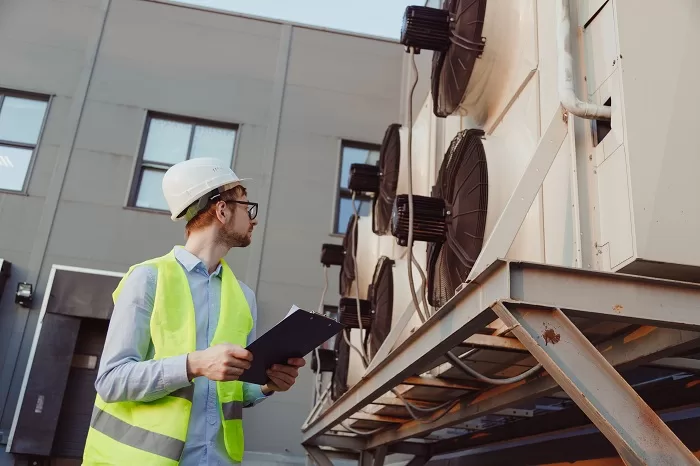

Modern buildings rely heavily on heating, ventilation, and air conditioning systems to keep indoor spaces comfortable and healthy. These systems control temperature, airflow, and humidity so people can live and work safely inside buildings. In places with hot and humid climates like Florida, a working HVAC system is especially important for maintaining good indoor air quality.
For professionals who want to work in this field, obtaining an hvac contractor license is a key step. This license shows that a person has the knowledge, training, and experience needed to install, repair, and maintain HVAC systems safely and properly. Licensed contractors help homes and businesses stay comfortable while ensuring systems run efficiently and meet safety standards.
HVAC contractors work in many types of buildings. These include houses, offices, shopping centers, hospitals, factories, and schools. Their work keeps heating and cooling systems running smoothly throughout the year.
Installation of Heating and Cooling Systems
One of the main duties of an HVAC contractor is installing heating and cooling equipment. These installations may happen in newly constructed buildings or in older buildings that need upgraded systems.
HVAC installations often include equipment such as air conditioners, furnaces, heat pumps, refrigeration units, and ventilation systems. Contractors also install ductwork, which carries warm or cool air throughout a building.
In older buildings, installation can be more complex. Contractors may need to adjust existing structures or replace outdated equipment so that new systems fit properly. Careful planning and correct installation help HVAC systems run efficiently and last longer.
Routine Maintenance of HVAC Systems
Regular maintenance is essential for keeping HVAC systems working properly. Over time, dust, dirt, and normal wear can reduce the system’s performance.
HVAC contractors perform routine checks to prevent larger problems from developing. During maintenance visits, they often:
- Check refrigerant levels
- Clean vents and fans
- Replace air filters
- Inspect electrical parts
- Test thermostats
- Make sure the system is operating correctly
These routine inspections help detect small issues before they turn into costly repairs. Maintenance also improves energy efficiency and helps extend the life of the equipment.
Diagnosing and Repairing System Problems
Even well-maintained systems can sometimes break down. When this happens, HVAC contractors are responsible for finding the cause of the problem and fixing it.
HVAC repairs may involve locating leaks, replacing damaged parts, adjusting system settings, or fixing airflow issues. Because many HVAC components are hidden inside walls, ceilings, or mechanical rooms, identifying the problem requires strong technical knowledge and experience.
When repairs are completed properly, the system can return to normal operation and provide reliable heating or cooling again.
How to Become an HVAC Contractor in Florida
Starting a career as an HVAC contractor can lead to stable job opportunities and the potential to run your own business. However, working in this field requires training, experience, and official licensing.
The state of Florida regulates HVAC contractors to ensure they meet professional standards and follow safety rules.
Basic Requirements for Licensing
To apply for an HVAC contractor license in Florida, individuals must meet several basic requirements. These include:
- Being at least 18 years old
- Having a high school diploma or GED
- Completing an approved HVAC training program
- Passing required licensing exams
- Showing proof of financial responsibility
- Obtaining general liability insurance
- Passing a criminal background check
These requirements help ensure that licensed contractors are qualified and trustworthy professionals.
HVAC Training and Education Options
Before applying for a license, most future contractors complete formal training. There are two common paths for learning HVAC skills.
Apprenticeship programs combine classroom lessons with hands-on work experience. Apprentices train under the guidance of licensed HVAC professionals for several years, usually three to five. During this time, they learn how to install, maintain, and repair different systems.
Vocational or trade schools offer HVAC training programs that usually last one to two years. These programs focus on technical skills such as system design, electrical components, safety procedures, and equipment maintenance.
Both training paths provide the knowledge needed to begin working in the HVAC industry.
Passing the HVAC Licensing Exams
To become licensed, candidates must pass two exams given by the Florida Construction Industry Licensing Board.
The trade knowledge exam tests a person’s understanding of HVAC equipment, installation methods, repair procedures, and safety practices.
The business and finance exam focuses on topics such as accounting, project management, and business laws related to contracting work.
Passing both exams shows that the applicant has both technical knowledge and business understanding.
Insurance and Financial Responsibility
HVAC contractors must also carry general liability insurance. This insurance protects the contractor if accidents or property damage occur during a job.
In addition, contractors must show financial responsibility. This can be done by providing proof of good credit or securing a surety bond. These requirements help protect customers and ensure contractors can handle business obligations.
Background Checks and Local Requirements
Florida also requires a criminal background check for HVAC contractors. The purpose is to confirm that applicants have good character and are suitable to work in homes and businesses.
Some cities and counties may have additional rules or permits for HVAC contractors. Checking with the local licensing office helps ensure all local requirements are met before starting work.
Skills That Help HVAC Contractors Succeed
Beyond licensing and training, successful HVAC contractors develop several important skills.
Technical skills are essential. Contractors must understand how HVAC systems operate and know how to diagnose and repair problems quickly.
Customer service skills are also important. Contractors often work directly with homeowners and business owners, so clear communication and professionalism help build trust.
Business skills are valuable for contractors who want to run their own company. Managing finances, marketing services, and organizing work schedules are all part of running a successful HVAC business.
Job Outlook and Salary Potential
The demand for HVAC professionals continues to grow. According to the U.S. Bureau of Labor Statistics, employment for heating, air conditioning, and refrigeration technicians is expected to increase steadily in the coming years.
This growth is partly due to the need for energy-efficient systems in homes and businesses. In warm regions like Florida, HVAC systems are used frequently, which creates consistent demand for skilled technicians and contractors.
As of recent reports, the median yearly pay for HVAC mechanics and installers is around $51,390. Contractors who run their own businesses can often earn higher income depending on their experience, customer base, and the size of their projects.
Starting Your HVAC Career
Becoming an HVAC contractor offers a practical and rewarding career path. With proper training, experience, and licensing, professionals in this field can enjoy steady work while helping people maintain comfortable indoor environments.
Whether installing new systems, performing routine maintenance, or fixing equipment problems, HVAC contractors play an essential role in keeping homes and businesses running smoothly. By earning the right training and meeting licensing requirements, you can begin a successful career in this growing industry.