
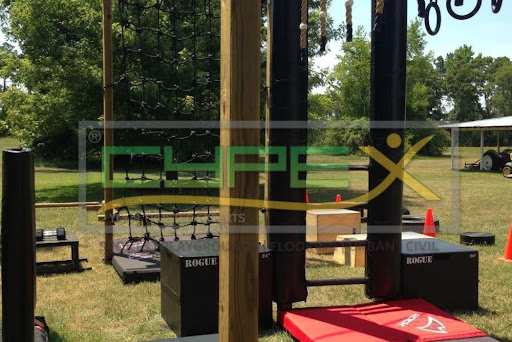

The modern sports equipment landscape is shaped by a careful negotiation between technical performance, material longevity, and economic practicality. Buyers today operate in an environment where expectations are higher than ever. Equipment is no longer judged solely by how it performs in ideal conditions, but by how consistently it holds up across repeated use, varied environments, and evolving standards of play.
At the same time, market decisions are increasingly influenced by supply reliability, compliance requirements, and long-term cost efficiency. This balance becomes particularly visible toward the end of the buying journey, where purchasing strategies intersect with sports equipment retailers, who must translate product specifications into dependable offerings that satisfy institutions, clubs, and commercial buyers alike.
Understanding Performance Beyond Specifications
Performance in sports equipment extends well beyond headline features or lab-tested metrics. While speed, grip, rebound, or load capacity remain important, real performance is ultimately measured in practical outcomes. Equipment must deliver consistency across sessions, adapt to different user profiles, and retain its functional integrity over time.
For commercial buyers, performance is closely linked to usability. Products must accommodate varied skill levels without compromising safety or experience. This requires thoughtful design choices, such as ergonomic adjustments, modular components, or standardized dimensions. When performance aligns with real-world usage, equipment becomes an asset rather than a liability within sports programs.
Durability as a Long-Term Investment Metric
Durability plays a decisive role in determining the true value of sports equipment. High-performance products that degrade quickly often generate higher replacement and maintenance costs, offsetting their initial appeal. As a result, durability is increasingly treated as a financial variable rather than a purely technical one.
Material selection, manufacturing precision, and quality control processes all contribute to product lifespan. Equipment designed for commercial or institutional use must withstand intensive cycles of use while maintaining compliance with safety standards. Durable products reduce downtime, simplify inventory planning, and support predictable budgeting for buyers operating at scale.
Value Is More Than Price Efficiency
Value in sports markets cannot be reduced to the lowest unit cost. Instead, it reflects the relationship between performance consistency, durability, and total cost of ownership. Buyers assess value by examining how equipment performs across its lifecycle, including installation, maintenance, replacement intervals, and user satisfaction.
This perspective encourages a shift away from transactional purchasing toward long-term sourcing strategies. Products that offer stable performance and extended service life often justify higher upfront costs through reduced operational friction. In this context, value becomes a strategic outcome rather than a simple pricing decision.
Material Choices and Their Market Implications
Materials form the foundation of performance and durability outcomes. Advanced polymers, treated metals, and reinforced composites are increasingly favored for their balance of strength and weight. However, material choice also affects sourcing complexity and compliance requirements.
Manufacturers and buyers must consider factors such as climate resistance, environmental exposure, and usage intensity. Selecting appropriate materials helps align equipment capabilities with intended applications, reducing the risk of premature wear or performance inconsistency.
Design Consistency Across Product Categories
Design consistency plays a subtle but important role in perceived quality. Equipment lines that follow standardized design principles are easier to integrate into existing facilities and programs. Consistency also simplifies training, maintenance, and replacement planning.
From a market perspective, cohesive design signals reliability. Buyers often associate structured design systems with disciplined manufacturing processes, reinforcing confidence in long-term product performance.
Testing and Quality Assurance Practices
Rigorous testing protocols help bridge the gap between theoretical performance and real-world durability. Load testing, stress simulations, and usage modeling provide insights into how equipment behaves under sustained pressure.
Quality assurance processes further ensure that production output aligns with tested standards. These practices reduce variability across batches and protect buyers from inconsistencies that could affect safety or functionality.
Supply Chain Reliability in Sports Markets
Beyond product attributes, supply chain stability plays a central role in balancing performance, durability, and value. Reliable sourcing ensures continuity of supply, predictable lead times, and consistent product specifications. For buyers managing large-scale deployments, these factors are as critical as equipment features.
A well-structured supply chain also supports responsiveness to market demand and regulatory changes. When sourcing partners maintain clear documentation and transparent processes, buyers gain confidence in both product quality and operational reliability.
Compliance and Safety as Non-Negotiables
Safety standards are integral to sports equipment markets, particularly for institutional and commercial applications. Compliance with regional and international standards ensures that equipment meets baseline requirements for user protection and operational integrity.
Adhering to safety norms also influences durability, as compliant products are often designed to withstand higher stress thresholds. Compliance-driven design thus reinforces both performance and longevity, aligning regulatory responsibility with market value.
Customization Without Compromising Standards
Customization allows buyers to tailor equipment to specific environments or user groups. However, customization must be executed without undermining compliance or durability. Modular design approaches often provide flexibility while preserving standardized core components.
This balance enables buyers to address unique needs without introducing variability that could affect safety or maintenance. Effective customization enhances value by improving fit-for-purpose outcomes.
Documentation and Traceability
Clear documentation supports informed purchasing and post-installation management. Traceability of materials, components, and manufacturing processes allows buyers to verify compliance and address issues efficiently.
In regulated environments, documentation also simplifies audits and inspections. Transparent records contribute to trust and reduce administrative friction across the equipment lifecycle.
Lifecycle Support and After-Sales Considerations
After-sales support influences how performance and durability translate into long-term value. Access to replacement parts, maintenance guidance, and technical assistance extends product usability and reduces disruption.
Lifecycle support transforms equipment from a static purchase into a managed asset. Buyers increasingly prioritize partners who understand the full operational context of sports facilities and programs.
Final Thoughts on a Balanced Market Approach
Balancing performance, durability, and value requires a holistic understanding of products, supply chains, and usage contexts. Buyers who evaluate equipment through a lifecycle lens are better positioned to make informed, sustainable decisions that support both operational efficiency and user experience.
In summary, organizations that engage with experienced sourcing partners such as Cypex Group benefit from structured procurement practices, quality-driven manufacturing oversight, and global supply coordination. By working closely with sports equipment manufacturers in the USA, Cypex Group supports buyers seeking dependable performance, long-term durability, and measured value across diverse sports markets.


