
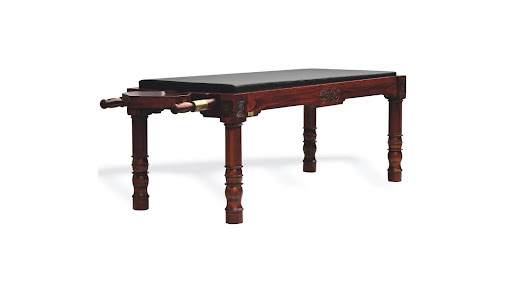

In modern wellness centers, efficiency, safety, and client comfort are essential factors that define the overall quality of services. Adjustable massage equipment has become a cornerstone in supporting therapists while delivering a superior client experience. Among these tools, the adjustable Thai Massage Bed stands out for its combination of flexibility, ergonomic design, and precise control during therapy sessions. These beds not only accommodate a variety of body types and treatment styles but also help therapists maintain proper posture, reduce fatigue, and streamline workflow. By exploring the benefits of these beds, including enhanced positioning, ease of movement, and accessory compatibility, spa and wellness professionals can significantly improve treatment effectiveness, client satisfaction, and operational efficiency, making them a valuable investment in any modern therapy practice.
This blog explores the role of adjustable massage beds in creating a seamless therapeutic environment, highlighting features, benefits, and practical applications that directly impact therapist effectiveness.
Ergonomic Adjustments to Minimize Therapist Fatigue
Adjustable massage beds offer multiple ergonomic features that reduce physical strain on therapists during long sessions.
- Height Adjustability for Optimal Posture: Adjustable beds allow therapists to set the height according to their comfort and body mechanics. Maintaining an ideal working height reduces strain on the back, shoulders, and arms, preventing long-term musculoskeletal issues. Proper posture also enables therapists to apply consistent pressure during treatments without discomfort.
- Tilt and Incline Options for Precision Therapy: Beds equipped with tilt mechanisms enhance access to different body areas, reducing the need for therapists to bend or stretch excessively. This adjustment is particularly beneficial for traditional Thai massage techniques that involve stretching and dynamic movements.
- Stable Support for Therapist Confidence: A well-built adjustable bed ensures stability during intense maneuvers, allowing therapists to focus entirely on technique rather than worrying about equipment safety. Stability contributes to smoother, more precise treatments and a professional client experience.
Stability contributes to smoother, more precise treatments and a professional client experience.
Enhancing Client Comfort to Improve Session Flow
Client comfort is integral to therapy efficiency, and adjustable beds help maintain optimal positions throughout sessions.
- Cushioning and Contoured Surfaces: Adjustable beds often feature high-density foam and contoured designs that provide consistent support to the client’s body. This enhances relaxation and minimizes the need for constant repositioning during sessions.
- Customizable Headrests and Arm Supports: The ability to modify headrests and armrests allows clients to adopt natural, comfortable positions. Comfortable clients respond better to therapy, enabling therapists to maintain a continuous workflow without interruptions.
- Integration of Multi-Functional Sections: Beds with removable or adjustable sections for legs and torso accommodate various massage styles, including stretching and pressure point therapies. This flexibility enhances client comfort and allows therapists to perform complex techniques efficiently.
This flexibility enhances client comfort and allows therapists to perform complex techniques efficiently.
Streamlining Workflow and Operational Efficiency
Efficient workflow in wellness centers depends on equipment that adapts quickly between treatments.
- Quick Adjustments Between Clients: Adjustable beds reduce downtime between sessions. Therapists can quickly configure the bed for the next client, maintaining a smooth schedule and minimizing waiting times.
- Versatility Across Therapy Modalities: Modern Thai Massage Bed supports multiple treatment styles, from traditional Thai massage to deep tissue therapy. Having a single, adaptable platform reduces the need for multiple pieces of equipment, simplifying operations.
- Reducing Physical Strain During Extended Sessions: Therapists often perform back-to-back treatments in commercial spas. Adjustable beds allow continuous ergonomic support, preventing fatigue accumulation and enabling consistent performance across multiple clients.
Adjustable beds allow continuous ergonomic support, preventing fatigue accumulation and enabling consistent performance across multiple clients.
Material and Build Quality for Longevity and Reliability
The durability and construction of a massage bed are crucial for long-term investment and safe therapy delivery.
- Durable Frames and Reinforced Structures: High-quality beds feature steel or hardwood frames capable of supporting diverse body weights and dynamic movements. Durability ensures long-term use without frequent repairs, promoting investment efficiency.
- Premium Upholstery for Hygiene and Comfort: Smooth, easy-to-clean materials maintain hygiene standards while providing a comfortable surface for clients. Resistance to oils, lotions, and wear prolongs the functional lifespan of the bed.
- Stable Base Design for Safety and Confidence: Beds designed with a stable, reinforced base prevent wobbling during stretching or pressure application. Safe equipment allows therapists to concentrate on techniques rather than adjusting for instability.
Safe equipment allows therapists to concentrate on techniques rather than adjusting for instability.
Features That Maximize Therapist Productivity
Modern adjustable beds come with features specifically designed to boost therapist efficiency and operational flow.
- Memory Settings for Consistent Configurations: Some adjustable beds come with programmable height and tilt features, letting therapists store preferred positions. This reduces setup time for each session. Clients enjoy consistent comfort with every visit, enhancing treatment reliability.
- Lightweight Mobility and Folding Options: Beds with easy mobility or folding capabilities simplify space management in compact therapy rooms. Therapists can reposition equipment with minimal effort. This efficiency supports smoother session flow and maximizes room usability.
- Accessory Compatibility for Enhanced Treatments: Many adjustable beds support attachments such as face cradles, bolsters, or massage rollers. Therapists can expand treatment techniques without extra furniture. This versatility improves operational efficiency and client experience.
Such integrations expand therapy options without requiring separate furniture, improving operational efficiency.
Conclusion
Adjustable Massage Beds are more than just pieces of furniture; they are essential tools that significantly impact therapist efficiency, client comfort, and overall operational workflow. From ergonomic adjustments that prevent fatigue to durable materials that ensure reliability, these beds allow spa professionals to deliver high-quality therapy with consistency and precision. Integrating versatile, high-quality massage beds into a wellness center enhances productivity while elevating client satisfaction, creating a professional and sustainable environment for both therapists and patrons.
To explore premium solutions that combine innovation, durability, and ergonomics for your spa, consider SPA Furniture for a curated range of professional massage beds, including the shirodhara ayurvedic massage table, designed to optimize therapy efficiency.


