
The financial services industry is entering a transformative phase driven by intelligent automation, scalable infrastructure, and sophisticated risk frameworks. Across financial technology Indonesia, institutions are rethinking traditional growth models and embracing digital ecosystems that enhance agility and resilience. AI-powered analytics, cloud-native platforms, and advanced risk solutions are no longer experimental tools; they are strategic imperatives shaping competitive advantage.
Intelligent Infrastructure Strategic Change
AI and cloud technologies are transforming the operational models and helping institutions to create an ecosystem of the future. This change enhances service delivery as well as aligns the innovation to regulatory and market expectations.
Core Innovation: Cloud-Native
Moving old systems to cloud-based cores increases scalability and flexibility. Institutions become capable of introducing new services more quickly, consolidating third-party solutions without any inconveniences, and controlling the volume of transactions is more effective. Such modernization minimizes the cost of infrastructure and enhances system resilience.
Evidence-Based Strategic Planning
AI-based analytics create predictions with raw fiscal data. The executives are able to predict the demand patterns, gauge the customers’ behavior, and allocate capital more accurately. Because of this intelligence, long-term planning can be enhanced, and informed expansion plans can be supported.
IP Ecosystems
Cloud architecture helps to stimulate co-operation between banks, fintech providers, and technology vendors. Coherent experiences of customers can be achieved through open APIs and interoperability structures that help institutions to maintain high-quality governance practices.
Improving the Risk Intelligence and Regulatory Confidence
Expansion plans should be attentive to holistic risk management in order to achieve sustainable development. Complex analytics and self-compliance frameworks equip the institutions with the resources required to uphold trust and operational resilience.
Predictive Risk Modeling
Machine learning software considers large volumes of data to identify credit exposures and credit anomalies. This is proactive and helps to lower the default levels and increase the portfolio management, and this will help the institutions to increase the lending activities in a responsible way.
Instantaneous Compliance Measurement
Regulatory tools that are automated and integrated into digital platforms facilitate reporting and auditing. The financial institutions secure their image and survival by maintaining a steady compliance to the changing financial regulations.
Cybersecurity Reinsurance Frameworks
Cybersecurity initiatives are becoming a necessity as there is a rise in digital transactions. Intelligence-based threat detection systems detect an offender at an early stage and protect consumer data, maintaining trust throughout the financial infrastructure.
Steaming up Customer-Centric Innovation
The customer requirements keep on changing and require smooth digitization and tailor-made financial propositions. In the digital banking Indonesia case, banks are utilizing the capabilities of AI and cloud to increase accessibility and responsiveness of their services.
Individualized Financial Products
A high level of analytics enables institutions to customize credit, savings, and investment products with regard to behavioral information. This personalization enhances customer satisfaction, coupled with enhancing cross-selling prospects and retention.
Smooth Omnichannel Experience
Cloud platform consolidates mobile, web, and branch interactions into a homogeneous ecosystem. The customers enjoy continuous service experiences, and the institutions have centralized control of engagement measurements.
Customer Support Systems that are Automated
Bi-robot chatbots and virtual assistants are effective in query resolution and support of account management. Automation creates less burden on the operations and provides responsive and reliable channels of communication.
Reaching a Wider Market by Digital Scalability
Scalable technology systems provide institutions with the chance to penetrate new markets and provide underserved communities with service. Cloud solutions and AI are at the center stage in the promotion of inclusive and sustainable growth.
Remote Onboarding Functionalities
The processes of creating accounts are made more efficient through digital identity verification and biometric authentication. Institutions are able to offer services to distant areas without having physical branches, which enhances accessibility and efficiency of operations.
Flexible Lending Models
Other forms of data analytics allow correct credit pricing of individuals without a financial history. This is the inclusive strategy that increases customer bases and guarantees risk discipline.
Agility in Infrastructure Growth
Cloud elasticity will enable institutions to expand their operations within a short time when the demand is high. Strategic flexibility enables the ability to expand to emerging segments without affecting the performance standards.
Developing a Competitive Advantage that is Sustainable
A sustainable development must be based on constant innovation that is backed by quantifiable performance results. In the changing environment of the financial technology Indonesia, long-term strategic investment in AI and cloud solutions is being used by organizations as opposed to short-term improvements.
Never-Ending Innovation Processes
Modular digital buildings also allow the institutions to experiment and fine-tune the products. Quick prototyping is used in constructing products in a fast manner without compromising the prototypes with what the market expects.
Information Control and Openness
Effective data management structures enhance accountability and create trust amongst the stakeholders. Open analytics processes enhance trust in regulatory circles and investors.
Strategic Collaboration Platforms
Overall conversation in the industry and collective learning programs promote the exchange of knowledge. Shared ecosystems enhance the effectiveness of the digital transformation process and innovativeness in industries.
Conclusion
Financial strategy is being redefined with AI, cloud computing, and sophisticated risk solutions that are matching technology innovation with operational resilience. Intelligent infrastructure has tangible benefits to institutions in terms of efficiency, customer interaction, and compliance with regulatory requirements. The history of digital banking Indonesia demonstrates the practical advantages of the combination of predictive analytics and scalable digital ecosystems in the long-term growth patterns.
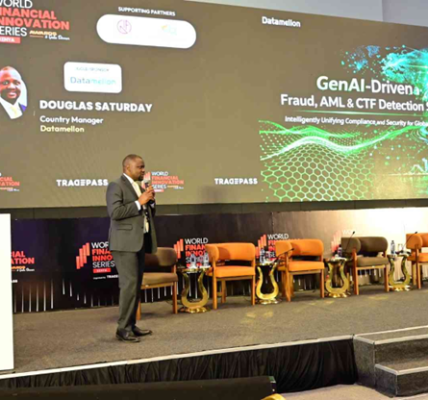
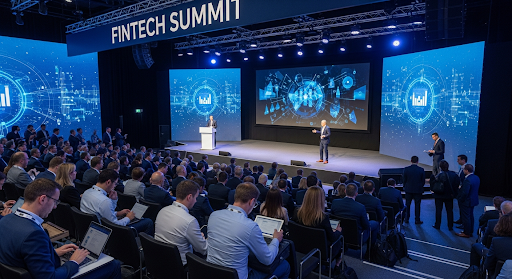
Considering the nature of the industry as it develops, collaborative platforms are critical in the translation of insight to action. World Financial Innovation Series (WFIS) Indonesia is one of the major conferences in this dynamic environment, where decision-makers, innovators, and policymakers convene to promote meaningful dialogues. The platform helps to create a robust and innovative future-oriented financial ecosystem by cultivating strategic alliances and pointing to viable implementation paths.