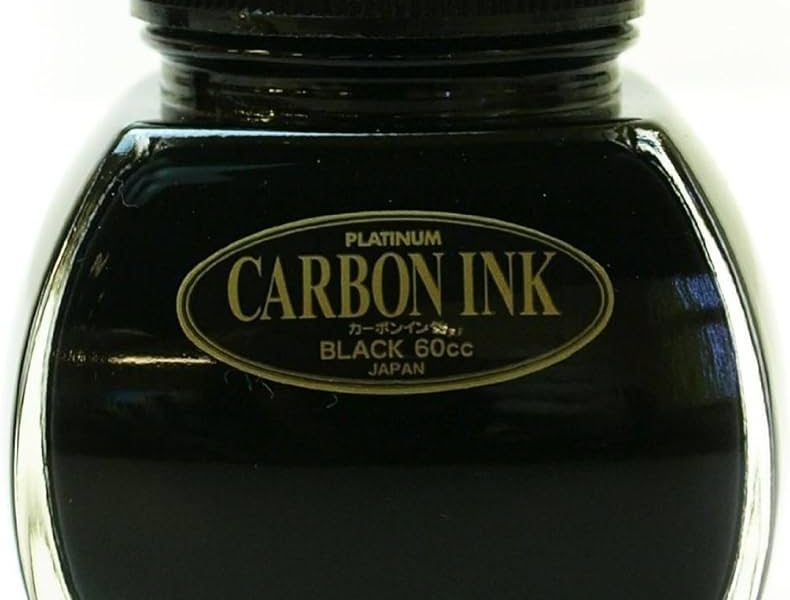

In modern electronics and advanced manufacturing, the need for high-performance conductive materials is greater than ever. Among these, platinum carbon black ink has emerged as a vital solution for applications requiring precision, reliability, and stability. Its unique combination of conductivity, chemical resilience, and process compatibility makes it ideal for printed electronics, sensors, and other high-tech devices. Businesses and manufacturers increasingly rely on this material to meet stringent performance demands while ensuring long-term durability in critical applications.
Understanding Platinum Carbon Black Ink
Platinum carbon black ink is a specialized conductive ink that blends finely dispersed carbon particles with platinum components. This combination enhances electrical conductivity while maintaining chemical and thermal stability. Unlike conventional carbon inks, the presence of platinum ensures consistent performance even under high current loads or harsh environmental conditions.
Key features of platinum carbon black ink include:
-
Superior conductivity: The platinum reinforcement enhances electron flow, allowing devices to operate efficiently with minimal energy loss.
-
Thermal stability: Resistant to temperature fluctuations, this ink can maintain performance across diverse manufacturing and operational environments.
-
Chemical resilience: Platinum’s inert properties protect the ink from oxidation, acids, and other chemical exposures, extending the life of the printed circuits.
-
Process flexibility: Compatible with various printing techniques, including screen printing and inkjet methods, it integrates seamlessly into modern production lines.
By combining these properties, platinum carbon black ink is particularly suited for industries like automotive electronics, wearable devices, and energy storage solutions, where precision and reliability are critical.
Advantages Over Traditional Carbon Inks
While standard carbon inks offer conductivity, they often face limitations such as inconsistent performance, oxidation, and restricted thermal handling. Platinum carbon black ink addresses these challenges by offering:
-
Enhanced electrical pathways: Platinum inclusion improves particle connectivity, reducing resistance and improving signal consistency.
-
Reduced degradation: High resistance to chemical and thermal stress minimizes the likelihood of ink breakdown over time.
-
Versatility: It supports a range of substrates, from flexible films to ceramic and glass, making it adaptable across various conductive applications.
-
Scalability: High-quality platinum carbon black ink is suitable for both prototype development and large-scale manufacturing.
-
Durability in harsh environments: Excellent performance even in moisture, temperature extremes, or vibration-heavy environments ensures long-term stability.
Additionally, manufacturers notice fewer defects and higher yield rates when switching to platinum carbon black ink, translating to reduced production costs and improved product reliability.
Key Applications of Platinum Carbon Black Ink
The versatility and performance of platinum carbon black ink make it suitable for multiple applications, including:
-
Printed electronics: Flexible circuits, RFID tags, and wearable sensors benefit from its high conductivity and stability.
-
Sensors and detectors: Accurate measurements in environmental, biomedical, and industrial sensors require conductive inks that do not degrade over time.
-
Energy storage devices: Batteries and supercapacitors integrate platinum carbon black ink for efficient electron transfer and reliable charge-discharge cycles.
-
Electrostatic discharge (ESD) components: The ink provides consistent conductivity to prevent static damage in sensitive electronic devices.
Its adaptability across these sectors demonstrates why this ink is preferred over traditional options, particularly in applications where reliability and precision are paramount.
Enhancing Conductivity with Carbon Conductive Ink
In addition to platinum carbon black ink, carbon conductive ink continues to be widely used for its affordability and ease of processing. While not as robust as platinum-reinforced inks, carbon conductive ink provides acceptable performance for less demanding applications such as printed circuit prototypes, educational kits, and decorative electronics.
Combining the benefits of both materials can sometimes optimize performance: carbon conductive ink offers a cost-effective baseline, while platinum carbon black ink ensures high-precision, long-term reliability in critical paths. This synergy allows manufacturers to tailor their material selection according to the specific requirements of each project.
Integration into Modern Manufacturing
Implementing platinum carbon black ink in production lines requires understanding its rheological properties, drying times, and substrate compatibility.
Key considerations for successful integration include:
-
Ink formulation adjustments: Matching viscosity and particle distribution to the chosen printing process ensures even deposition.
-
Curing and drying protocols: Controlled thermal or UV curing maintains the conductive properties while preventing substrate damage.
-
Quality control testing: Regular conductivity measurements, adhesion testing, and environmental exposure assessments guarantee consistent performance.
-
Design optimization: Circuit layouts and ink paths must account for resistivity characteristics to maximize efficiency.
Manufacturers that implement these best practices often achieve higher quality standards, fewer defects, and greater customer satisfaction.
Sustainability and Future Trends
As industries aim for sustainable solutions, platinum carbon black ink offers several environmental advantages over certain heavy-metal-based conductive inks. Its chemical stability reduces waste due to defective prints, and its compatibility with water-based carriers limits volatile organic compound (VOC) emissions. Additionally, ongoing research in nanoparticle dispersion and hybrid conductive formulations may further enhance performance, reduce material usage, and expand the range of viable applications.
Emerging applications include:
-
Flexible and wearable electronics
-
High-capacity energy storage systems
-
Advanced biomedical devices require precise conductive pathways
By investing in advanced conductive materials like platinum carbon black ink, manufacturers position themselves to meet both technical performance and environmental sustainability goals.
Comparison with Carbon Black Alternatives
While traditional carbon black alternatives remain popular due to lower costs, they often fall short in high-performance or high-stress scenarios.
Platinum carbon black ink delivers:
-
Consistent conductivity under stress.
-
Enhanced chemical and thermal resilience.
-
Compatibility with advanced substrates and flexible materials.
-
Superior long-term reliability for mission-critical applications.
These advantages explain why high-tech industries increasingly prefer platinum-reinforced inks over standard carbon black alternatives for mission-critical applications.
Conclusion
Platinum carbon black ink represents a significant advancement in conductive materials, offering exceptional performance, stability, and adaptability across a wide range of industrial and technological applications. By leveraging its superior electrical, thermal, and chemical properties, manufacturers can achieve precise, durable, and efficient conductive pathways that traditional carbon-based inks cannot consistently provide.
If you are someone looking for a reliable material partner, Birla Carbon offers a comprehensive range of solutions, including platinum carbon black ink, for advanced conductive applications. Their expertise spans formulation guidance, material selection, and performance optimization, ensuring manufacturers achieve high-quality, efficient, and scalable results.