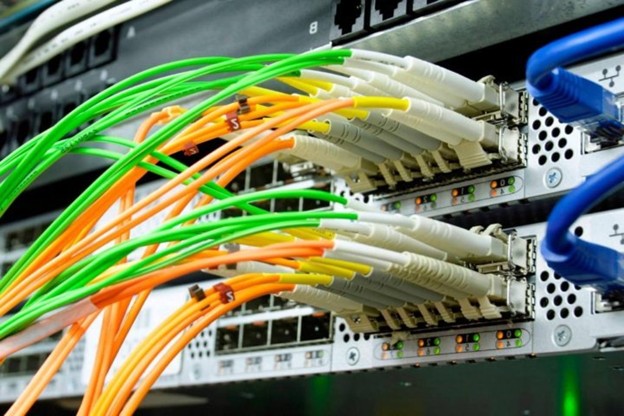

In today’s fast-paced digital world, reliable and high-speed connectivity has become essential for businesses, data centers, and communication systems. As organizations handle increasing amounts of data, traditional copper-based networks often struggle to keep up with performance demands. This is where fiber optic technology plays a crucial role. Companies looking for professional fiber optic cabling in UAE are increasingly turning to fiber networks because of their ability to deliver faster data transmission, improved reliability, and long-term scalability for modern infrastructure.
Fiber optic cabling uses light signals instead of electrical signals to transmit data. This advanced method allows information to travel at extremely high speeds with minimal signal loss, making it an ideal solution for modern networking environments.
Understanding Fiber Optic Cabling
Fiber optic cables are made of thin strands of glass or plastic that transmit data as pulses of light. These cables are designed to carry large amounts of information across long distances without significant signal degradation.
Compared to traditional copper cables, fiber optic technology offers greater bandwidth, improved signal quality, and enhanced security. Because of these advantages, fiber optic networks are widely used in telecommunications, enterprise networks, cloud infrastructure, and smart buildings.
How Fiber Optic Cabling Works
Fiber optic cables consist of three main components that allow them to transmit data effectively.
- Core: The core is the central part of the cable through which light travels. It is made from extremely pure glass or plastic.
- Cladding: The cladding surrounds the core and reflects light signals back into the core to keep the data moving forward.
- Protective Coating: The outer layer protects the cable from physical damage, moisture, and environmental factors.
This structure enables fiber optic cables to transmit data over long distances with minimal signal interference.
Key Advantages of Fiber Optic Cabling
Fiber optic technology offers several benefits that make it superior to traditional cabling systems.
1. High-Speed Data Transmission
Fiber optic cables support extremely fast data transfer rates, allowing networks to handle large volumes of information efficiently.
This makes them ideal for businesses that rely on cloud computing, video conferencing, and real-time data processing.
2. Greater Bandwidth Capacity
Bandwidth refers to the amount of data that can be transmitted through a network. Fiber optic cables provide significantly higher bandwidth compared to copper cables.
This capability supports the growing demand for high-speed internet and data-heavy applications.
3. Long-Distance Data Transmission
One of the major advantages of fiber optic cables is their ability to transmit signals over long distances without losing quality.
This makes them suitable for connecting buildings, campuses, and large enterprise networks.
4. Improved Reliability
Fiber optic networks are less affected by electromagnetic interference, making them more reliable than traditional copper cables.
They perform well even in environments with heavy electrical equipment.
5. Enhanced Network Security
Fiber optic cables are more difficult to tap into compared to copper cables. This makes them a secure option for organizations handling sensitive data.
Secure communication is particularly important for financial institutions, healthcare facilities, and government organizations.
Comparison: Fiber Optic vs Copper Cabling
The following table summarizes the major performance differences between these two networking technologies.
| Feature | Fiber Optic Cabling | Copper Cabling |
| Data Speed | Extremely high | Moderate |
| Bandwidth | Very high | Limited |
| Signal Interference | Very low | High |
| Transmission Distance | Long-distance capability | Shorter distances |
| Security | More secure | Easier to intercept |
This comparison highlights why fiber optic technology is widely preferred for modern networking systems.
Role of Fiber Optic Cabling in Modern Infrastructure
Modern businesses rely heavily on digital connectivity. From cloud computing and data storage to smart building systems and IoT devices, efficient networking infrastructure is critical.
Fiber optic cabling supports these technologies by providing reliable and scalable connectivity. In large organizations, fiber networks enable seamless communication between departments, servers, and external networks.
For companies investing in advanced IT infrastructure, professional fiber optic cabling in the UAE ensures that their networks can support high-performance applications and future technological upgrades.
Applications of Fiber Optic Cabling
Fiber optic networks are used across multiple industries because of their efficiency and performance.
- Telecommunications
Telecommunication companies use fiber optic networks to deliver high-speed internet and communication services.
- Data Centers
Fiber optics supports the massive data traffic generated by cloud services and digital platforms.
- Healthcare Facilities
Hospitals rely on fiber networks to manage patient records, imaging systems, and communication tools.
- Smart Buildings
Modern buildings use fiber infrastructure for integrated security systems, automation, and IoT connectivity.
- Educational Institutions
Universities and schools require fast networks for research, online learning platforms, and digital collaboration.
These applications demonstrate the versatility of fiber optic technology in modern environments.
Factors to Consider When Installing Fiber Optic Networks
When planning fiber optic installations, several factors should be considered to ensure optimal performance.
- Network Requirements
Understanding the organization’s current and future bandwidth requirements helps determine the right type of fiber cable.
- Installation Expertise
Professional installation ensures that cables are properly routed, protected, and configured for efficient performance.
- Environmental Conditions
Cables should be selected based on environmental factors such as temperature, moisture, and potential physical damage.
- Maintenance and Scalability
Networks should be designed to allow easy upgrades and expansion as technology evolves.
Working with experienced professionals ensures that fiber networks are installed correctly and operate efficiently.
Conclusion
Fiber optic cabling has become an essential component of modern networking infrastructure. Its ability to deliver high-speed data transmission, greater bandwidth, improved security, and long-distance connectivity makes it an ideal choice for businesses and organizations seeking reliable digital communication systems. As technology continues to evolve, fiber optic networks will remain critical in supporting data-driven operations and advanced communication systems.
If you are looking for reliable network infrastructure solutions, VRS Technologies LLC is a trusted IT and networking solutions provider in the UAE. With years of expertise in structured cabling, network design, and technology integration, the company helps organizations build reliable communication systems. Many organizations rely on them for the top fiber optic cabling services in the UAE to support high-performance and scalable connectivity.